

Back-to-School Anxiety is Real. Here’s How Mentors Make a Difference
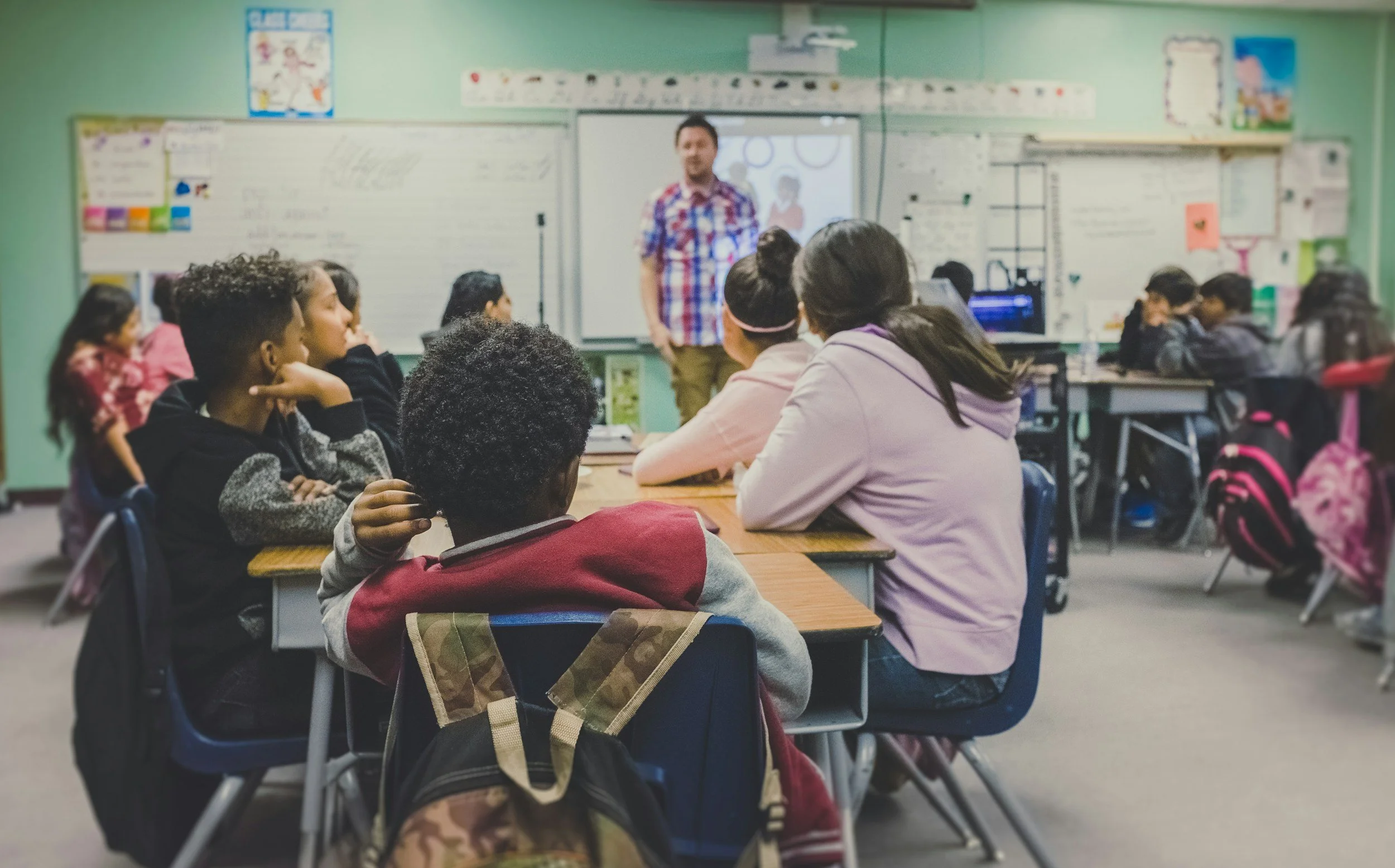
The backpacks are packed, the school supplies are bought, and summer has wound down. For many young people, a new school year brings excitement—but it can also bring a lot of uncertainty.
A new grade. New teachers. New expectations. New friend group dynamics. For some, simply walking through the school doors on the first day can feel overwhelming.
And that's where having a mentor can make a meaningful difference.
Back-to-School Anxiety Is Real
The transition back to school can bring a mix of emotions for young people. They may be worried about making friends, keeping up academically, navigating changing relationships, fitting in, or simply meeting the expectations that come with a new school year.
These worries don't necessarily mean something is wrong. Feeling nervous about change is a normal part of growing up. But having someone they trust to talk to can make those feelings easier to navigate.
A mentor provides a consistent, supportive presence—a person a young person can turn to when they need encouragement, perspective, or simply someone willing to listen.
Sometimes, It Starts With One Conversation
A mentor doesn't have to have all the answers. In fact, some of the most meaningful moments in a mentoring relationship can be as simple as asking:
"How are you really feeling about going back to school?"
That conversation can help a young person feel heard and remind them that they don't have to navigate every challenge alone.
Over time, a mentor can help young people build confidence, practice healthy communication, set goals, work through challenges, and recognize their own strengths. Just as importantly, they can be a reliable adult presence who celebrates the wins and sticks around for the harder days.
One caring adult can help turn "I don't know if I can do this" into "I've got someone in my corner."
Creating a Stronger Support System
At Big Brothers Big Sisters of Kentuckiana, we believe every young person deserves access to a meaningful, supportive mentoring relationship that helps them reach their potential.
Our evidence-based mentoring programs connect young people with caring mentors who show up, listen, encourage, and help them navigate the experiences that come with growing up. And our wrap-around services with consistent professional support and resources set us apart from other mentoring organizations.
The outcomes we see from youth mentored in our programs makes it clear: mentoring makes a positive, proactive difference. Among our 786 mentored youth last fiscal year:
96% have a strong or increased ability to manage emotional situations.
90% reported stable or increased mental health and wellbeing.
90% felt a strong or improved connection with their school community.
As a new school year begins, we're grateful for the partners who help make our positive outcomes possible.
A Special Thank You to the Louisville Metro Office of Violence Prevention

We are proud to recognize the Louisville Metro Office of Violence Prevention for their recent funding support of our work.
Their investment helps us create opportunities for Louisville youth to build positive relationships, develop confidence and resilience, and connect with caring adults and supportive communities.
We're grateful to partners like OVP, who recognize that investing in young people—and the relationships that surround them—is an important part of building safer, stronger communities.
This School Year, Let's Make Sure Young People Know They're Not Alone
A new school year comes with plenty of unknowns. But with the right support system, young people don't have to face those unknowns alone.
Whether it's a mentor, teacher, coach, family member, counselor, or another trusted adult, having someone in your corner matters.
And sometimes, that relationship can make all the difference.
Want to help a young person start the school year with someone in their corner? Learn more about becoming a mentor with Big Brothers Big Sisters of Kentuckiana.